

If your website is getting traffic but not generating calls, form submissions, or real inquiries, it’s easy to assume the problem is traffic.
Most business owners jump to:
“I need more visitors.”
But in many cases, traffic isn’t the issue.
One of the more common problems is that the website isn’t converting the people who are already visiting it.
And the reason for that usually isn’t one obvious flaw. It’s a series of smaller issues that quietly make it harder for visitors to understand, trust, and act.
You Might Be Getting Traffic – But That’s Not the Problem
It’s possible for a website to have steady traffic and still generate very few leads.
This is where many businesses get stuck. They continue investing in visibility – SEO, ads, content, social media – without addressing what happens after someone lands on the site.
If visitors aren’t taking action, the issue is rarely just volume. It’s how the website is communicating and guiding them.
Visitors Don’t Understand What You Do (Fast Enough)
When someone lands on your website, they’re usually scanning, not reading.
If it’s not immediately clear:
- What you offer
- Who it’s for
- Where you offer it (critical for a local business)
- How it helps
They move on.
This is one of the most common breakdowns we see. The business knows what it does, but the website doesn’t communicate it clearly enough within the first few seconds…like 3-5 seconds.
For example, a Connecticut-based orthopedist had a visually clean website but a vague homepage. It described their work in broad terms without clearly stating the services they offered related to back pain. It didn’t list the town the practice was located in at the top or mention any adjacent towns. After refining the language on the home page, with a focus on what appeared at the very top, the results were significant in terms of the site appearing for certain search terms as well as greater engagement from the users who did visit the site. All because the language people saw when they first landed on the site clearly answered these questions – what they offered, where they offered it, who it was for and how they offered it.
This is where strong clear messaging and structured content make a measurable difference.
Your Website Doesn’t Guide People to Take Action
Even if someone understands what you do, that doesn’t automatically lead to action.
Websites that generate calls tend to guide visitors through a clear path:
- What to do next
- How to get in touch
- What to expect
When that path isn’t obvious, people hesitate.
We often see:
- Contact buttons that are hard to find
- Calls to action that are too vague
- Or no clear next step at all
The result isn’t rejection. It’s inaction driven by confusion.
You’re Attracting the Wrong Kind of Traffic
Sometimes the issue isn’t how your website is performing – it’s who it’s attracting.
If your content is too broad or not aligned with specific services and locations, you may be getting visitors who were never going to become customers in the first place.
This creates the illusion of visibility without results.
Aligning your content with how people actually search – especially at a local level – is part of how search engine optimization supports not just traffic, but the right kind of traffic.
Your Website Structure Creates Friction
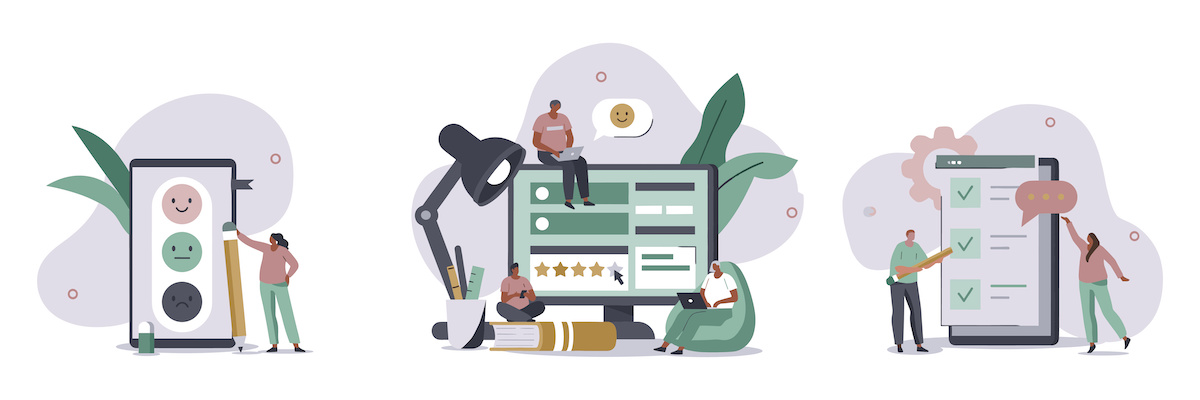
Even small usability issues can quietly reduce conversions.
If visitors have to:
- Search for important information
- Click through multiple unclear pages
- Or piece together what you offer
…they’re less likely to take action.
Structure isn’t just about design. It’s about making the experience simple and intuitive.
We worked with a manufacturer who had a single service page that listed all of their services. It was very lengthy and required a lot of scrolling…basically too much work. We reorganized the site, creating separate pages for each specific service, included relevant FAQs for each page and rewrote the content for each page to be more authoritative to convey the years of experience the business had under their belt. Finally, the site navigation was updated to make all these services much easier to find and access. After reorganizing their pages and simplifying the navigation, engagement improved, and more visitors reached out.
This is often where conversion rate optimization becomes less about redesigning and more about removing friction.
You’re Missing Trust Signals That Matter
Before contacting a business, people look for reassurance.
This can include:
- clear descriptions of services
- consistent branding and tone
- visible contact information
- examples, testimonials, or signs of credibility
If these elements are missing or unclear, visitors may hesitate – even if they’re interested.
Trust isn’t built through one feature. It’s built through consistency across the entire experience. This can start when the user is on Google and sees reviews (or the lack thereof) about this company. Trust isn’t a punchline or a buzzword, it’s a concept that business owners need to embrace to make sure that potential customers see trust signals all along the way as they engage with your business online.
Why This Is Often Misdiagnosed as a “Traffic Problem”
It’s easier to assume that low inquiries mean low visibility.
But increasing traffic to a website that isn’t converting often leads to the same outcome – just at a larger scale.
This is why businesses sometimes feel like they’ve tried everything:
- they’ve invested in ads
- they’ve worked with agencies
- they’ve updated their site
But without addressing how the site performs once people arrive, those efforts don’t translate into results.
What Actually Moves the Needle
Improving conversion isn’t about one big change. It’s about refining the details that shape how people experience your website.
That includes:
- making your services immediately clear
- simplifying navigation and structure
- guiding visitors toward a clear next step
- aligning your content with the right audience
Looking at the available data about your website to see if there are any trends – good or bad – that can tell us how people respond to your website.
Most of the time, it’s not one big issue – it’s a combination of small things that quietly stop people from taking action.
When It Makes Sense to Get Help
If your website is getting traffic but not generating calls, it’s usually a sign that something in the experience isn’t working as intended.
The challenge is identifying which part of the process is breaking down.
Once that’s clear, the fixes tend to be more straightforward than expected.
If you want a jargon-free audit of your website and a frank discussion of what is and isn’t working, sign up for a free SEO/AI audit of your business by clicking the button below.